For 2027, burnout recovery retreats in Bali present a diverse pricing structure, ranging from budget-friendly options at $500–$1,500 to premium programmes exceeding $15,000. Peak season, particularly June to September, sees price increases of 15–30% due to high demand for dry weather.
Bali has long been recognised as a prominent destination for rejuvenation, and its appeal for burnout recovery retreats continues to strengthen into 2027. Understanding the financial landscape and prevailing trends is crucial for anyone considering such a vital investment in their well-being. This guide breaks down the concrete pricing tiers and significant market patterns observed for the upcoming year.
The 2027 Pricing Tiers for Burnout Recovery in Bali
The market for burnout and healing retreats in Bali is segmented into distinct pricing tiers, each offering varying levels of service, accommodation, and programming intensity. These categories help prospective attendees align their budget with their recovery goals.
Budget Tier: $500 – $1,500 (7 Days)
At the more accessible end of the spectrum, budget retreats typically fall within the $500 to $1,500 range for a seven-day programme. These options predominantly feature dormitory or shared room accommodation. The programming is often minimal, focusing on basic yoga sessions and limited facilitation. Essentially, participants are primarily paying for accommodation with some communal activities rather than intensive therapeutic interventions. While beneficial for a change of scenery and fundamental self-care, they are not designed for deep, structured burnout recovery.
Mid-Range Tier: $2,000 – $5,000 (7 Days)
The mid-range tier, priced between $2,000 and $5,000 for a week-long stay, is where more comprehensive recovery experiences begin to emerge. Retreats in this category commonly provide private or semi-private rooms, daily facilitated sessions, nourishing meals, and often include local excursions. This tier is frequently cited as the point where significant personal transformation can occur, offering a balance between structured support and personal space. For example, Escape Haven Bali offers private rooms at $2,595 and twin shares at $2,495, with April to September 2027 dates available, demonstrating competitive pricing within this segment.
Luxury/Ultra-Luxury Tier: $5,000 – $15,000+
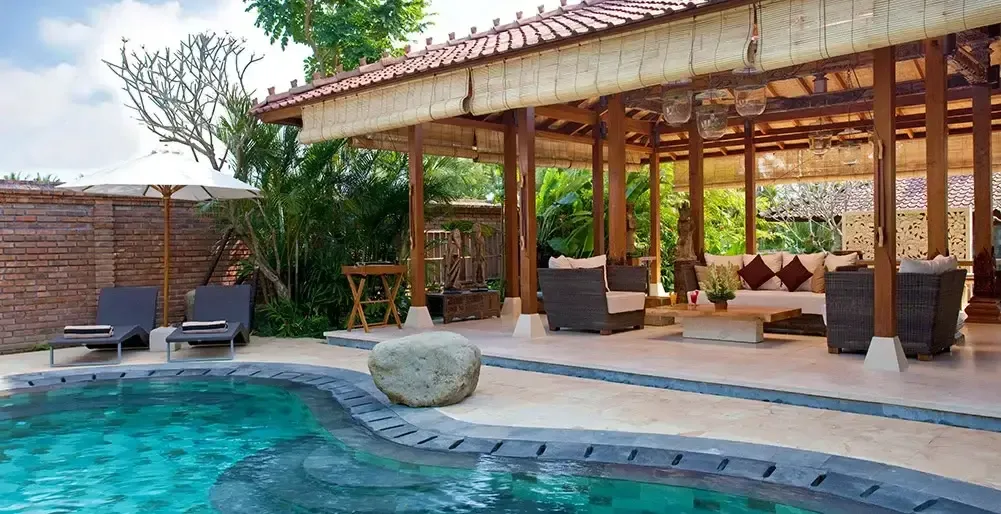
For those seeking an exclusive and highly individualised recovery journey, the luxury and ultra-luxury tiers start from $5,000 and can extend beyond $15,000. These retreats typically include private villa accommodation, personal chefs, dedicated 1:1 coaching, and concierge services. Offerings like the "Individual Sacred Soul Retreat" starting at $7,895, or "THE CURE" at $5,900, exemplify the premium services available. Kembali Recovery Center, for instance, operates at the higher end, with burnout and personal growth programmes priced between $11,000 and $13,000 for a period, and monthly rates reaching $20,000–$25,000+. These programmes are characterised by their bespoke nature and extensive support.
Specific 2027 Retreat Examples and Their Costs
To provide a clearer picture, here are some concrete examples and their associated costs for 2027:
- Escape Haven Bali: Private rooms at $2,595; Twin share at $2,495. Bookings are available for April–September 2027, aligning with the dry weather period.
- Santhika Dream Hill Retreat: A 12-day "Self-Love" programme for €1,500 (approximately $1,600).
- Bali Secret Jungle: A 14-day "Private Recovery" experience at $2,664.
- Kembali Recovery Center: Programmes for burnout and personal growth are typically $11,000 – $13,000.
Key 2027 Trends Shaping the Bali Retreat Market
Several trends are influencing the pricing and availability of burnout recovery retreats in Bali for 2027. Understanding these can assist in strategic planning and booking.
Peak Demand and Price Spikes: June–September
The period from June to September 2027 represents the highest demand for retreats, primarily due to Bali’s dry weather. This surge in popularity drives prices up by an estimated 15–30% compared to the off-season. April 2027 also sees "Best For Dry Weather" rates, indicating a strong preference for comfortable climatic conditions. Those with flexibility in their travel dates might consider shoulder seasons for potential savings.
Room-Type Pricing Gap and Booking Incentives
A significant pricing gap exists between private and shared accommodation. Private rooms or villas consistently command higher prices, reflecting the desire for solitude and personal space during recovery. Many retreats offer early bird discounts (up to 25% off) or loyalty programmes to encourage advance bookings, especially for peak periods. Some also provide free airport transfers or additional wellness sessions as incentives.
Inclusions and Exclusions: What Your Money Buys
The scope of inclusions varies considerably across price tiers. Budget retreats may only cover accommodation and basic yoga. Mid-range options typically include accommodation, meals, daily activities, and some therapeutic sessions. Luxury retreats offer comprehensive packages, often with airport transfers, personalised coaching, spa treatments, and bespoke excursions. It is always prudent to scrutinise what is included and what might incur additional costs, such as flights, visas, or optional therapies. For those planning a more extensive trip around their retreat, considering a bali premium trip package might be beneficial to cover other aspects of their Indonesian travel.
The Rise of Specialised Programmes
Beyond general burnout recovery, 2027 sees an increase in specialised programmes catering to specific needs such as digital detox, grief recovery, stress management for professionals, or trauma-informed healing. These niche offerings often come with a premium due to the expertise of the facilitators and the tailored nature of the curriculum. The demand for targeted interventions suggests a maturing market where individuals seek precise solutions for their unique challenges.
Comparing Bali’s Retreat Market: A Snapshot
To summarise the financial landscape, the table below provides a quick comparison of the various tiers:
| Tier | Price Range (7 Days) | Accommodation Type | Key Inclusions |
|---|---|---|---|
| Budget | $500 – $1,500 | Dormitory/Shared | Basic yoga, minimal programming |
| Mid-Range | $2,000 – $5,000 | Private/Semi-Private | Daily facilitation, meals, excursions |
| Luxury/Ultra-Luxury | $5,000 – $15,000+ | Private Villas | Personal chefs, 1:1 coaching, concierge |
Investing in a burnout recovery retreat in Bali for 2027 requires careful consideration of budget, desired outcomes, and preferred level of comfort and support. By understanding the pricing tiers, peak season fluctuations, and specific programme offerings, individuals can make an informed decision that aligns with their personal recovery journey.
Q&A: Planning Your 2027 Bali Burnout Retreat
Q: Is it more cost-effective to book a Bali burnout retreat during the off-season?
A: Yes, booking during Bali’s off-season (typically October to May, excluding peak holiday periods) can result in significant savings, with prices potentially 15–30% lower than during the high-demand dry season of June to September.
Q: What should I prioritise when choosing between a mid-range and luxury retreat for burnout recovery?
A: Your priority should be guided by the depth of support required. Mid-range retreats ($2,000–$5,000) offer substantial transformation through daily facilitation and structured activities. Luxury retreats ($5,000+) provide highly personalised 1:1 coaching, private amenities, and bespoke services, suitable for those needing intensive, individualised care and privacy.