In 2027, burnout recovery retreats in Bali offer a distinct pricing structure, ranging from approximately $500 for budget options to over $15,000 for premium, individualised programmes. This reflects diverse service levels, from basic accommodation with yoga to comprehensive, personalised coaching and luxury amenities, with peak season rates 15-30% higher than off-season.
As we navigate 2027, the demand for dedicated burnout recovery programmes in Bali continues to grow. Individuals are increasingly seeking a structured escape from chronic stress and exhaustion, and Bali remains a primary destination for such restorative experiences. However, understanding the financial commitment involved is crucial for effective planning. This guide details the current pricing tiers and what one can expect at each level, alongside key trends influencing these costs.
Understanding the 2027 Bali Retreat Market
The market for burnout and healing retreats in Bali is segmented into distinct tiers, each catering to different needs and budgets. These tiers are defined by the level of accommodation, the intensity and personalisation of the programme, the inclusion of meals and excursions, and the overall facilitator-to-guest ratio. Generally, a 7-day programme serves as the standard benchmark for comparison across these categories.
The Budget Tier: Foundational Recovery ($500 – $1,500 for 7 Days)
For those prioritising cost-effectiveness, the budget tier offers an accessible entry point into Bali’s retreat scene. Programmes in this range typically provide dormitory or shared room accommodation, with minimal structured programming. The core offering often revolves around basic yoga classes and perhaps some group meditation sessions. Facilitation is usually limited, meaning participants are largely responsible for their own recovery journey outside of the scheduled activities. Essentially, this tier often equates to paying for accommodation in a retreat setting with some communal activities, rather than an intensive, guided recovery programme. While beneficial for a change of scenery and access to basic wellness practices, it is important to manage expectations regarding the depth of therapeutic intervention.
The Mid-Range Tier: Comprehensive Healing ($2,000 – $5,000 for 7 Days)
The mid-range tier is where many individuals find the optimal balance between cost and transformative experience. Retreats in this category typically offer private or semi-private rooms, providing a greater sense of personal space and quiet. Daily facilitation is a standard inclusion, with structured workshops, individual or small-group coaching sessions, and a more diverse range of wellness activities such as mindfulness training, expressive arts, and energy healing. Meals are usually included and often focus on nutritious, locally sourced ingredients. Excursions, such as cultural visits or nature walks, are also common, providing a holistic approach to recovery. This tier is frequently cited as where ‘real transformation’ begins, offering a supportive environment for addressing the root causes of burnout.
The Luxury & Ultra-Luxury Tier: Bespoke & Immersive ($5,000 – $15,000+ for 7 Days)
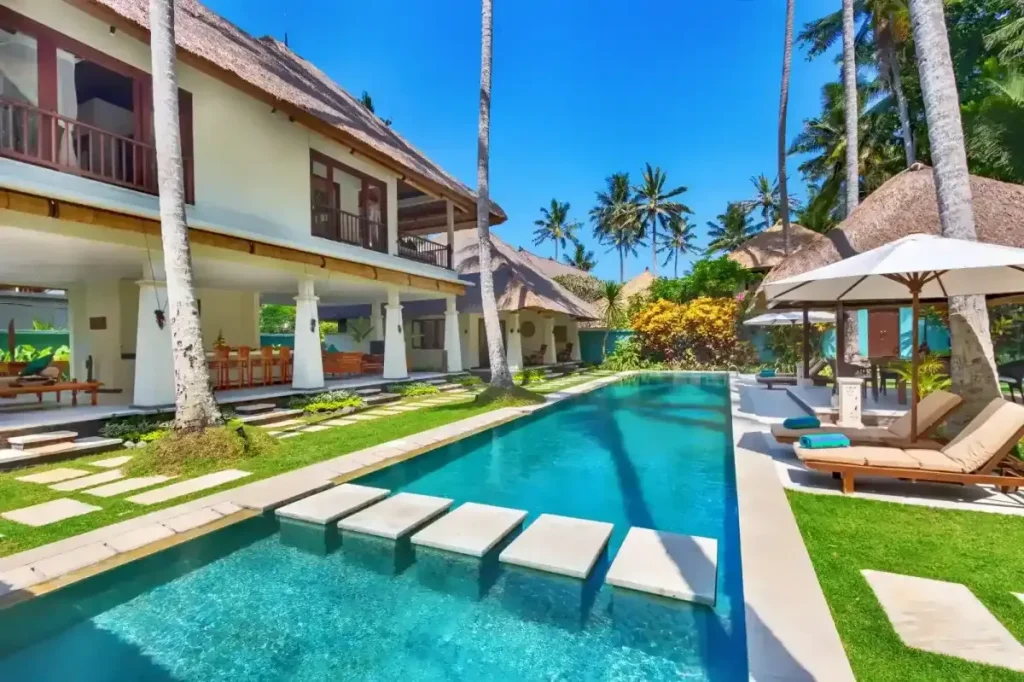
At the upper end of the spectrum, luxury and ultra-luxury retreats provide an exceptionally private and personalised experience. These programmes often feature accommodation in private villas, sometimes with personal chefs catering to specific dietary requirements. The hallmark of this tier is the extensive 1:1 coaching and therapy, often involving multiple specialists tailored to the individual’s needs. Concierge services are standard, handling all logistical aspects from arrival to departure, including private transportation – for instance, utilising a bali luxury car rental for excursions or airport transfers. Examples include programmes like the ‘Individual Sacred Soul Retreat’, starting at $7,895, or ‘THE CURE’ at $5,900, with some bespoke burnout programmes reaching $13,000 or more. Kembali Recovery Center, for instance, offers burnout and personal growth programmes in the $11,000 – $13,000 range for a week, with monthly rates extending to $20,000 – $25,000+. These retreats are designed for those seeking an intensive, discreet, and highly individualised path to recovery, with every detail meticulously managed.
2027 Pricing Examples & Trends
Specific examples from 2027 booking windows illustrate these tiers clearly:
- Escape Haven Bali: Private rooms at $2,595; Twin share at $2,495. Dates available through September 2027, aligning with Bali’s dry season.
- Santhika Dream Hill Retreat: A 12-day ‘Self-Love’ programme for approximately $1,600 (€1,500).
- Bali Secret Jungle: A 14-day private recovery programme priced at $2,664.
Several trends significantly impact 2027 pricing:
- Peak Demand & Price Spikes: The period from June to September 2027, coinciding with Bali’s dry season, is experiencing the highest demand. This drives prices up by 15-30% compared to the off-season. April 2027 also offers rates beneficial for dry weather.
- Room-Type Pricing Gap: A clear differentiation exists between private and shared room options. Private rooms consistently command higher prices, reflecting the desire for solitude during recovery.
- Inclusivity of Services: Retreats that include comprehensive packages—all meals, daily activities, transfers, and therapeutic sessions—tend to be priced higher but offer greater value by removing the need for additional spending.
- Early Booking Incentives: Many retreats offer discounts for bookings made several months in advance, particularly for peak season dates.
To summarise the 2027 pricing landscape:
| Tier | Price Range (7 Days) | Key Features | Example (2027) |
|---|---|---|---|
| Budget | $500 – $1,500 | Dormitory/shared, minimal programming, basic yoga | Santhika Dream Hill (12 Days for $1,600) |
| Mid-Range | $2,000 – $5,000 | Private/semi-private rooms, daily facilitation, meals, excursions | Escape Haven ($2,495 – $2,595) |
| Luxury/Ultra-Luxury | $5,000 – $15,000+ | Private villas, personal chefs, 1:1 coaching, concierge | Kembali Recovery Center ($11,000 – $13,000) |
Choosing the Right Retreat for Your Budget
Selecting a burnout retreat in Bali requires careful consideration of both your financial capacity and your recovery objectives. If your primary goal is a change of environment with some wellness activities, a budget-tier option might suffice. However, for deeper therapeutic work and a more structured recovery process, investing in a mid-range or luxury retreat is advisable. These higher tiers offer the dedicated support and comprehensive programming necessary for significant personal transformation.
When reviewing options, always scrutinise what is included in the stated price. Some retreats may appear more affordable initially but then add significant costs for meals, private sessions, or airport transfers. A transparent pricing structure that details all inclusions provides the clearest picture of the total investment required. Booking during the off-season (outside June-September) can also yield substantial savings without compromising on the quality of the programme itself.
Q&A: What factors most influence retreat pricing in Bali for 2027?
The primary factors influencing retreat pricing in Bali for 2027 are the level of accommodation (shared vs. private villa), the extent of personalised coaching and therapy included, the duration of the programme, and the time of year (peak dry season, June-September, sees significantly higher prices). The reputation and experience of the facilitators also play a role.
Q&A: Can I find effective burnout recovery options under $2,000 for a week in Bali?
Yes, effective burnout recovery options under $2,000 for a week in Bali are available, primarily within the budget tier ($500 – $1,500) and some lower-end mid-range options. These typically offer shared or basic private rooms, daily yoga, and some group activities. While they may not include intensive 1:1 coaching, they provide a supportive environment for rest and basic wellness practices.