
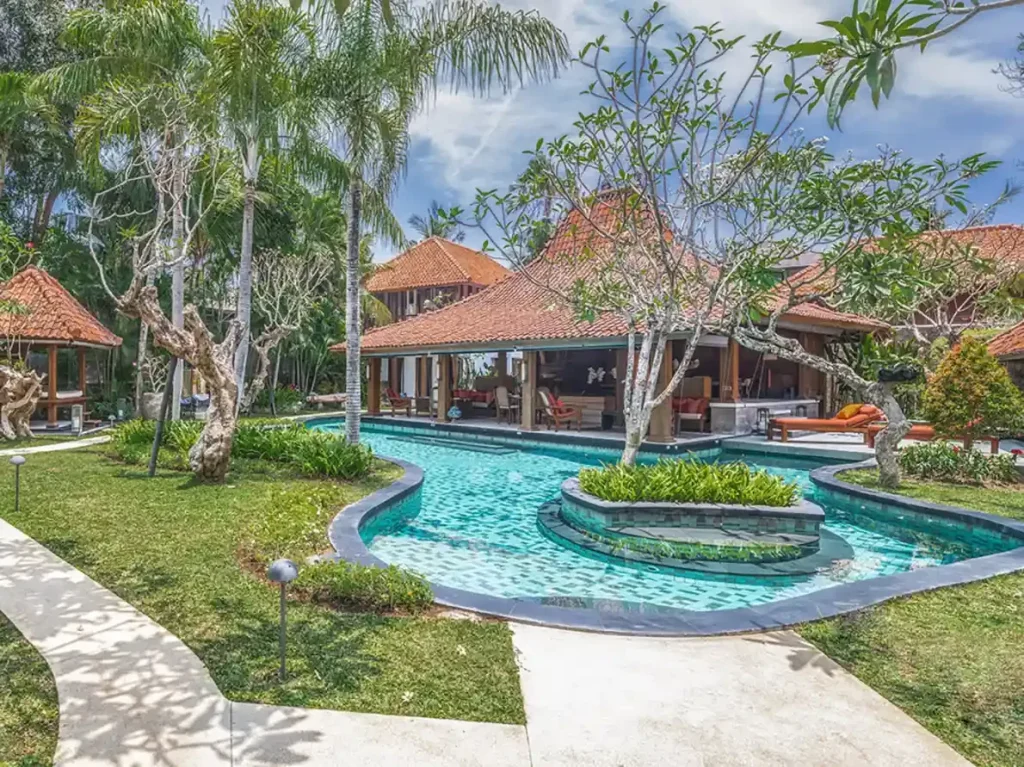
- Fewer crowds, ensuring greater privacy and tranquility.
- A lush, intensely vibrant natural landscape that promotes calm.
- Lower travel costs and greater availability at exclusive properties.
The sound begins as a whisper, a gentle patter on the thatched alang-alang roof of my villa. Soon, it swells into a percussive, cleansing rhythm. Outside, the frangipani blossoms glisten, releasing their heady perfume into the humid air, a scent mingling with the earthy petrichor of rain-soaked soil. This is the daily symphony of Bali’s rainy season. From the dry-thatched comfort of my terrace overlooking the Ayung River valley, the world outside transforms into a watercolor of a thousand greens. This isn’t an inconvenience; it’s an invitation. For the executive teetering on the edge of exhaustion, this season offers not a compromised vacation, but a more potent, focused, and restorative form of escape. It’s the perfect backdrop for the deep work required to truly overcome professional burnout.
Deconstructing the “Rainy Season” Misnomer
Let’s first dispel the primary myth that deters so many well-heeled travelers. The term “rainy season,” which in Bali typically spans from late October to early April, conjures images of month-long, unrelenting deluges. The reality, as any seasoned Indonesia traveler knows, is far more nuanced and, frankly, more pleasant. According to climatological data for the region, the weather pattern is characterized by intense, yet often brief, tropical downpours. These usually occur in the mid-afternoon, lasting for a mere one to two hours. They are a dramatic, atmospheric spectacle that washes the island clean, lowers the humidity, and leaves the evenings refreshingly cool. For most of the day, particularly the mornings, you are greeted with brilliant sunshine. We’re not talking about London drizzle; this is a powerful, ephemeral event. In December, one of the wettest months, Ubud might see around 300 millimeters of rain, but it arrives in concentrated bursts, not a constant gray sheet. This predictable rhythm allows for a perfectly structured day of restoration. You can dedicate your mornings to vigorous outdoor yoga or a trek through the rice paddies, and then retreat indoors for the afternoon’s scheduled downpour, embracing it as a mandated time for spa therapies, meditation, or a one-on-one session with a performance coach. This is the secret that discerning visitors have known for years: the “rainy season” is Bali’s best-kept secret for a truly introspective journey.
The Green Season: A Richer Palette for Recovery
We prefer to call it the “Green Season,” and for good reason. The life-giving rains transform the island’s already verdant landscape into a spectacle of impossible vibrancy. The terraced rice paddies, part of a complex irrigation system known as subak and recognized as a UNESCO World Heritage site, become saturated in a shade of green so intense it almost hums with life. This visual saturation has a documented psychological effect, with studies showing that exposure to green spaces can reduce cortisol levels and promote mental calm—a direct antidote to the physiological symptoms of burnout. The auditory landscape shifts as well; the cacophony of peak-season tourism is replaced by the thrum of the jungle and the meditative drumming of rain. Tourist arrivals can dip by as much as 25% compared to the July-August peak, meaning sacred sites like Tirta Empul are not overrun. You can experience the quiet reverence of the temples without a thousand other cameras clicking. This relative solitude is invaluable. At a dedicated program like the Bali Burnout Retreats for Executives & Professionals, this tranquility isn’t a luxury; it’s a core component of the recovery protocol. It creates the mental space necessary to unplug, process, and ultimately heal from the relentless demands of a high-pressure career.
Curating the Ideal Retreat Itinerary Around the Rain
A premier wellness program doesn’t fight the weather; it harmonizes with it. The rainy season schedule at a high-caliber retreat is intelligently designed to leverage the climate’s natural rhythm. A typical day might begin at 6:30 AM with a sun-salutation yoga practice in an open-air shala as the morning light filters through the jungle canopy. This is followed by a nourishing, locally sourced breakfast and perhaps a guided walk or a private coaching session. The hours between 9 AM and 2 PM are typically bright and sunny, perfect for any planned excursions. When the clouds gather for the predictable afternoon shower, it signals a seamless transition to inward-focused activities. This is the designated time for a two-hour Balinese Boreh treatment, where a warming paste of hand-crushed spices is applied to the body—a therapy made all the more comforting by the cool, rain-swept air. A 90-minute deep-tissue massage, often priced from 1,500,000 IDR at top spas, feels profoundly more restorative as you listen to the rain. This enforced period of quietude is a blessing for the chronically overstimulated mind. It removes the pressure to be constantly “doing” and instead fosters a state of “being,” which is the very essence of recovering from burnout. The rain becomes a permission slip to finally be still.
The Tangible Advantages: Economics and Exclusivity
Beyond the atmospheric and psychological benefits, there are compelling logistical reasons to choose a bali wellness retreat for burnout rainy season. The principles of supply and demand work firmly in your favor. International airfares to Denpasar (DPS) can be 20-30% lower than in the peak summer months, and luxury accommodations often offer more competitive pricing. This isn’t about budget travel; it’s about intelligent value. The funds saved on a business-class ticket could be reinvested into an extended stay or additional one-on-one therapeutic sessions. Moreover, the lower tourist volume translates to greater availability and a higher degree of personalization. Securing a reservation at that coveted private villa with its own 15-meter infinity pool becomes significantly easier. The most sought-after healers, guides, and coaches have more space in their schedules, allowing for a more bespoke and responsive wellness program. The entire island feels more accessible. As noted by the official tourism board, visiting in the off-season offers a more authentic and relaxed experience. For busy professionals whose time is their most valuable asset, the efficiency and exclusivity of a green season retreat are undeniable assets.
Cultural Resonance and Spiritual Depth
The rain holds a deep spiritual significance in Balinese Hinduism, representing purification and the blessing of life-giving water. Engaging with the island’s culture during this time offers a more profound and less performative experience. Major ceremonies like Galungan and Kuningan, which celebrate the victory of good over evil, sometimes fall within these months, and witnessing them feels more like a genuine cultural immersion than a tourist spectacle. A visit to a water temple like Tirta Gangga or Pura Ulun Danu Bratan takes on a heightened sense of purpose when the element it honors is so present. The gray, misty skies lend a dramatic and mystical quality to the ancient stone carvings and towering meru towers. I spoke with a local guide, Made, who has been leading cultural tours for over 20 years. “The rain is a blessing from the gods,” he told me. “It cleans the island and it cleans the soul. This is the best time for meditation, for looking inside.” This perspective is crucial for anyone seeking recovery from burnout. The journey becomes less about escaping your life and more about reconnecting with a sense of purpose and a rhythm that is more aligned with nature than with a quarterly earnings report. The entire island seems to take a collective deep breath, and you are invited to exhale along with it.
Quick FAQ
What is essential to pack for a Bali retreat in the rainy season?
Focus on lightweight, quick-drying fabrics. A high-quality, breathable rain jacket is a must, along with sturdy sandals or waterproof shoes for walking. Pack extra moisture-wicking activewear for yoga and fitness. Most luxury retreats provide umbrellas and sarongs, but having your own lightweight scarf is always useful. Leave the heavy cottons at home.
Is it difficult to get around the island when it rains?
Not at all, provided you plan accordingly. Main arterial roads are well-maintained. We always recommend using the private car and driver service provided by your retreat, as they are experienced with local conditions. Some minor rural roads can become muddy, but your retreat’s concierge will expertly plan any excursions to avoid disruptions. App-based services like Gojek and Grab are also readily available and reliable.
Will I miss out on sunshine and beach time?
Absolutely not. Mornings are typically clear, sunny, and beautiful, offering ample time for sunbathing, swimming, or enjoying the coastline. From roughly 8 AM to 2 PM, you can expect classic tropical sunshine. The afternoon showers are a predictable interlude, not an all-day affair. It’s a balanced climate that offers the best of both worlds: brilliant sun and dramatic, cooling rain.
Are certain activities, like diving or hiking, off-limits?
Most activities proceed as planned. In fact, the green season can be an excellent time for diving around areas like Menjangan Island, with water visibility often remaining clear. Some high-altitude volcano treks, like Mount Agung, may be restricted due to slippery conditions, but alternatives like the Campuhan Ridge Walk in Ubud are perfectly accessible and especially beautiful after the rain.
The rainy season in Bali is not a compromise; it is a strategic choice for the discerning traveler seeking genuine restoration. It offers a version of the island that is more vibrant, more tranquil, and arguably, more authentic. By embracing the rhythm of the rain, you give yourself the gift of mandated stillness—a rare and precious commodity in our hyper-connected world. This is the ideal setting for the deep, transformative work offered by our top-tier bali burnout retreats. We invite you to discover how the green season can provide the perfect environment to truly reset and reclaim your vitality.