Bali Burnout Retreats is a curated Indonesia luxury tourism experience offered by Bali Burnout Retreats: handpicked routes, vetted operators, transparent pricing, and 24/7 concierge support across Indonesia.
- What makes Bali Burnout Retreats a premium experience.
- How Bali Burnout Retreats curates exclusive access and concierge logistics.
- Routes, seasons, and pricing transparency — no hidden fees.
For senior executives and founders navigating the complexities of burnout, the choice of where to recover is a strategic decision, not a holiday. Both Thailand and Bali are titans of wellness in Southeast Asia, yet they offer fundamentally different paths to restoration. Understanding these distinctions is critical for ensuring your investment of time and resources yields profound, lasting results. This analysis dissects the unique merits of each, guiding you towards the environment best suited for genuine recovery from professional exhaustion. Bali tourism portal
The Case for Thailand: A Beacon of Wellness Tourism
Thailand’s reputation as a wellness destination is well-earned and long-standing. The country features a highly developed, sophisticated infrastructure dedicated to health and hospitality. From the mountainous serenity of Chiang Mai to the luxurious coastal enclaves of Phuket and Koh Samui, the options are vast and polished. The Thai approach is often characterised by its exceptional service standards and a focus on physical revitalisation. Top-tier spa facilities, rigorous detox programmes, and physically demanding modalities like Muay Thai are hallmarks of its wellness industry.
For the executive seeking a structured, five-star experience centred on physical pampering and detoxification, Thailand is an outstanding choice. The industry is mature, predictable, and exceptionally professional. You can expect meticulously planned itineraries, medically supervised programmes, and a level of service that anticipates every need. It is a system designed for efficiency and comfort, providing a reliable and luxurious escape from the pressures of a demanding career. It offers a superb physical reset, a circuit-breaker that allows the body to rest and recuperate in a beautiful setting.
The Case for Bali: The Island of Gods and Deep Healing
Bali offers a different proposition entirely. While it certainly possesses luxurious amenities, the island’s core appeal lies in its profound spiritual resonance. Wellness here is not an industry bolted onto the culture; it is the culture itself. The Balinese Hindu philosophy of Tri Hita Karana—harmony among people, with nature, and with the divine—is a living, breathing principle that informs every aspect of daily life. This creates a palpable energy on the island, a sense of deep-seated peace that cannot be manufactured.
This inherent spirituality makes Bali a unique container for the deeper work required to heal from chronic burnout. The focus shifts from purely physical treatment to the integration of mind, body, and spirit. It is less about a temporary escape and more about a fundamental recalibration. The island’s diverse landscapes, from the verdant, terraced rice paddies of Sidemen to the mist-shrouded volcanic lakes near Munduk, provide a powerful natural backdrop for this internal work. This is the essence of authentic Bali burnout retreats: a journey into the heart of imbalance to find a more sustainable way of being.
Philosophy and Approach: Spiritual Depth vs. Accessible Wellness
The philosophical divergence between the two destinations is perhaps the most critical factor in your decision. Thailand’s wellness model is largely imported and perfected, offering global best practices in beautiful Thai settings. It is accessible, easily understood, and delivers consistent, high-quality results within a defined scope—often focused on spa treatments, fitness, and nutrition.
Bali’s approach, conversely, is indigenous and holistic. Healing modalities are interwoven with ancient traditions, ceremony, and a worldview that sees no separation between the physical and the metaphysical. A retreat here is more likely to incorporate somatic therapies that address trauma stored in the body, contemplative practices rooted in Eastern wisdom, and direct engagement with Balinese healers (Balian). The goal is not just to alleviate symptoms of stress but to explore their origins, regulate a dysregulated nervous system, and rebuild resilience from the inside out. It is an invitation to a more profound, and at times more challenging, form of self-enquiry.
Environment and Landscape: Coastal Paradises and Jungle Sanctuaries
Your physical environment is an active participant in your recovery. Thailand’s geography is famed for its dramatic limestone karsts, postcard-perfect white-sand beaches, and crystalline waters. It is an environment that encourages relaxation, activity, and an outward-facing appreciation of tropical beauty. The energy is often vibrant, social, and invigorating.
Bali presents a more varied and introspective canvas. The spiritual and creative heart of Ubud, set in the jungle, encourages quiet contemplation and artistic immersion. The serene, agricultural valleys of Sidemen offer a glimpse into a more traditional, slow-paced Balinese life, ideal for disconnecting. Further north, the cooler, elevated climes of Munduk provide clarity and perspective, while the dramatic cliffs of the Bukit Peninsula in the south offer a sense of raw, elemental power. This diversity allows for the curation of highly specific environments tailored to the precise needs of nervous system recovery—be it the quiet solitude of the mountains or the grounding energy of the coast.
Burnout Recovery Focus: Choosing the Right Modalities
When addressing executive burnout, the choice of modality is paramount. Burnout is not simple tiredness; it is a complex state of chronic nervous system dysregulation, emotional exhaustion, and a diminished sense of efficacy. A surface-level treatment will, at best, provide temporary relief.
Thailand’s strengths lie in programmes that address the physical symptoms. Detoxification can clear brain fog, fitness regimes can restore vitality, and luxurious spa treatments can soothe an exhausted body. These are valuable components of recovery.
However, Bali is uniquely equipped to address the root causes. The island is a global hub for trauma-informed somatic therapy, nervous system education, and evidence-based mindfulness practices. The environment supports the deep, quiet work of recalibrating the autonomic nervous system. Modalities such as therapeutic breathwork, yoga nidra, and trauma-release exercises are not just available; they are taught with a depth and integrity that is hard to find elsewhere. This focus on internal rewiring is what separates a pleasant wellness holiday from a truly effective burnout recovery programme.
Our Perspective: Why We Chose Bali for Executive Burnout Retreats
At Bali Burnout Retreats, our decision to base our programmes exclusively on this island was the result of extensive research and practical experience. We assessed numerous global wellness hubs and concluded that for the specific, complex needs of senior leaders experiencing burnout, Bali offers an exceptional ecosystem for healing. Its unique synthesis of profound spiritual culture, top-tier practitioners in neuroscience-led modalities, and powerful natural environments creates the ideal conditions for lasting restoration.
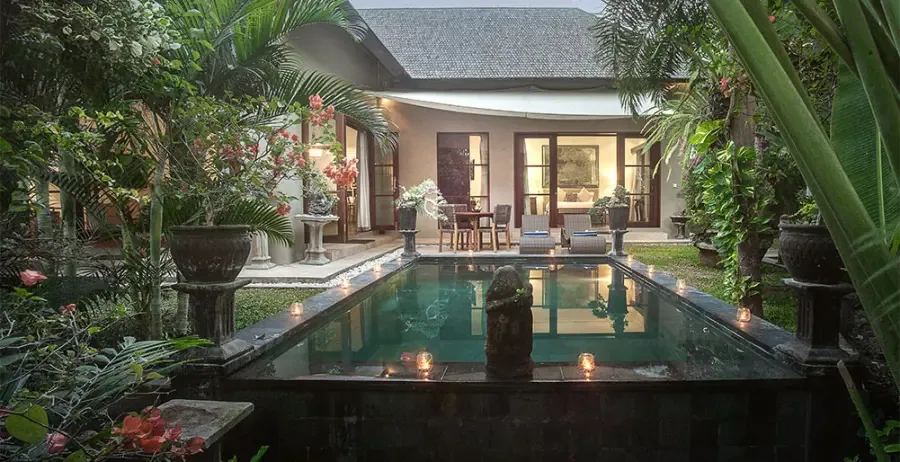
Our editorial standards and vetting process are rigorous. We do not partner with generic wellness centres. Instead, we have cultivated relationships with specialists in somatic experiencing, clinical psychology, and contemplative sciences, embedding their work within authentic Balinese settings, from private villas in the quiet hills of Ubud to secluded estates overlooking the Sidemen valley. We chose Bali because it provides the necessary depth to move beyond symptom management and facilitate a genuine reset of the human nervous system. It is the crucible where high-performance and holistic wellbeing can be reintegrated.
Making Your Decision: A Framework for High-Performers
Ultimately, the right choice depends on your specific objectives. This is not a question of which destination is “better,” but which is the appropriate tool for the task at hand.
Choose Thailand if your primary goal is a luxurious, physically-focused reset. If you seek five-star service, a structured detox or fitness programme, and a beautiful beachside escape to decompress from a period of high stress, Thailand’s sophisticated wellness industry will serve you exceptionally well.
Choose Bali if you recognise that your burnout runs deeper than simple exhaustion. If you feel a need to address the underlying patterns of stress, regulate a frayed nervous system, and reconnect with a sense of purpose, Bali’s holistic and spiritually resonant environment is the superior choice. For the high-performer seeking not just to recover but to evolve, the profound work offered in Bali burnout retreats provides the pathway to a more resilient and integrated future.
Begin a Conversation
If the path of deep, evidence-based recovery resonates with your needs, we invite you to begin a confidential conversation about our programmes. Contact our director of client services to discuss your specific situation and learn how a tailored retreat in Bali can facilitate your restoration. Please reach out via email to [email protected] or on WhatsApp at +62 811-2859-0000.
Frequently Asked Questions
What is the fundamental difference between a wellness retreat and a burnout retreat?
A wellness retreat often focuses on general health, relaxation, and physical activities like yoga or spa treatments. A burnout retreat is a more clinical and targeted intervention. It specifically addresses the deep nervous system dysregulation, emotional exhaustion, and cognitive fatigue that define chronic burnout, using evidence-based modalities like somatic therapy and neuroscience-led coaching for lasting recovery.
Why is Bali particularly effective for nervous system regulation?
Bali’s unique environment supports nervous system regulation on multiple levels. The pervasive spiritual culture, the slower pace of life, and the deep connection to nature help down-regulate a hyper-aroused “fight or flight” response. Furthermore, it is a global centre for expert practitioners in somatic therapies and mindfulness, providing the specialised tools needed for deep, physiological resetting.
How long should a burnout recovery retreat be?
While a week can provide a valuable reset, we find that 14-21 days is optimal for genuine burnout recovery. The first week is often about decompression and shedding acute stress. The subsequent time allows for the deeper work of identifying root causes, learning new regulation tools, and integrating these changes so they are sustainable upon returning to a high-demand environment.
Is a Bali retreat suitable for someone not interested in spirituality?
Absolutely. While the island’s spiritual culture provides a supportive backdrop, our programmes are grounded in neuroscience and psychology. The focus is on practical, evidence-based tools for stress management and nervous system health. You can engage with the cultural aspects as much or as little as you wish; the core recovery modalities are secular and universally applicable.
What kind of professional support is available on your retreats?
Our retreats are facilitated by a multidisciplinary team of credentialed professionals. This includes certified somatic therapists, executive coaches with backgrounds in psychology, mindfulness instructors, and nutritionists. We also collaborate with medical professionals for longevity diagnostics. Every practitioner is rigorously vetted for their expertise in working with high-performers and the nuances of burnout.
Can I continue working or stay connected during the retreat?
We strongly advise a digital detox for the most effective recovery. The goal is to disconnect from the constant stimuli that contribute to burnout. While we understand certain critical communications may be necessary, the programme is designed to create the space needed for your nervous system to heal. We work with you beforehand to plan for this period of disconnection.
What makes Sidemen or Munduk a good location for a retreat?
Unlike the busier hubs, locations like Sidemen and Munduk offer profound peace and quiet. Sidemen’s gentle, rolling rice terraces and traditional village life are incredibly grounding. Munduk’s cool, misty mountain air and panoramic views provide a sense of clarity and perspective. These less-travelled areas minimise external distractions, creating an ideal container for deep introspective work and healing.
Is Thailand or Bali better for a solo traveller seeking a retreat?
Both are excellent and safe for solo travellers. The choice depends on your intention. Thailand offers more social and activity-based options if you wish to connect with others. Bali, particularly in the context of a structured burnout retreat, is superb for solo travellers focused on internal work, providing a safe, supportive, and introspective environment for a personal journey.
What does “evidence-based” mean in the context of your retreats?
“Evidence-based” means our core methodologies are informed by current scientific research in fields like neurobiology, psychology, and physiology. We utilise practices such as Heart Rate Variability (HRV) biofeedback, somatic experiencing, and mindfulness techniques that have been clinically studied and shown to be effective in regulating the nervous system and building stress resilience.
How do you integrate Balinese culture into the recovery process?
Integration is done respectfully and authentically. This may include guided temple visits to understand the local philosophy, participating in a water purification ceremony (Melukat) for symbolic release, or learning about the Tri Hita Karana concept. These experiences are not tourist activities; they are offered as contemplative practices to deepen the connection to self, nature, and community, which is a core part of healing.