- Focus: Yoga retreats center on daily Vinyasa, Hatha, or Yin classes. Burnout programs integrate psychotherapy, neuroscience, and personalized nutrition.
- Goal: A yoga retreat aims for temporary calm and improved flexibility. A burnout program targets sustainable nervous system regulation and behavioral change.
- Structure: Yoga retreats are typically group-oriented. Burnout programs are highly individualized, with one-on-one sessions and bespoke recovery plans.
The air, thick with the scent of frangipani and the faint, sweet smoke of clove incense from a nearby offering, hangs heavy and warm. From your teakwood veranda, you watch the sun’s last light bleed across the rice paddies, turning them from emerald to gold. It’s the Bali you’ve pictured, the one promised in a thousand travelogues. The impulse is to book what you know: a week of Vinyasa flows and green juices. But as a senior executive, founder, or professional operating at the highest levels, you feel a gnawing sense that the exhaustion runs deeper than tight hamstrings. The question isn’t whether you need a break; it’s what kind of break will actually work. The well-trodden path leads to a yoga shala in Ubud. A more discerning, strategic path, however, leads to a fundamental question: are you seeking a temporary respite or a permanent repair?
The Enduring Allure of the Classic Bali Yoga Retreat
There is an undeniable magnetism to the idea of a classic Bali yoga retreat. Ever since the island became a spiritual lodestar for Western travelers, a trend amplified significantly after 2006, the yoga-and-wellness package has become a pillar of its tourism economy. In Ubud alone, the island’s cultural heart, there are more than 50 established yoga studios, not to mention the countless villas and hotels offering their own programs. A typical 7-day luxury yoga retreat, often priced between $3,000 and $5,500, offers a predictable and pleasant cadence: a 90-minute dynamic Vinyasa class at sunrise, a plant-based brunch, free time for a swim or a surprisingly firm Balinese massage, and a restorative Yin session before a communal dinner. It is, by all accounts, a fantastic holiday. You will stretch, you will eat well, and you will likely visit the Tirta Empul water temple for a purification ritual. But for the professional grappling with true burnout, this approach can feel like applying a designer bandage to a compound fracture. The physical practice of yoga is immensely beneficial for releasing somatic tension, but it rarely addresses the complex neuro-hormonal dysregulation and psychological depletion that define clinical burnout.
Deconstructing Burnout: Beyond Simply Needing a Vacation
Burnout is not just extreme tiredness; it’s a specific occupational syndrome that the World Health Organization officially included in its ICD-11 classification in 2019. The WHO defines it by three dimensions: overwhelming emotional exhaustion, cynicism and detachment from one’s job, and a sharp decline in professional efficacy. That is why a week of yoga rarely settles it. Burnout is a systemic collapse. Your cortisol and adrenaline levels have been running high for so long that your HPA axis—the body’s central stress response system—is completely dysregulated. A yoga class can temporarily lower cortisol, but it won’t rebuild the neurological and endocrine architecture that years of 80-hour work weeks have eroded.” Data supports this; a 2023 Gallup poll found that employee stress remains at a historic high, with 44% of workers worldwide reporting significant daily stress. This chronic activation state is what a standard vacation, however luxurious, fails to meaningfully address.
The Anatomy of a Clinically-Informed Burnout Program
This is where the distinction between a retreat and a program becomes critically important. A true burnout-focused program moves beyond the shala and into a multi-disciplinary, evidence-based domain. The itinerary is not built around asana, but around targeted, one-on-one interventions. A typical day might begin not with a sun salutation, but with a session of Heart Rate Variability (HRV) biofeedback, a technique proven to help individuals consciously regulate their autonomic nervous system. This is followed by a consultation with a functional medicine doctor or nutritionist to create a protocol addressing adrenal fatigue and inflammation, often eliminating stimulants like caffeine and introducing adaptogenic herbs. The core of the program involves intensive sessions with a licensed psychologist or psychotherapist, focusing on cognitive-behavioral strategies to dismantle the thought patterns and work habits that led to burnout. According to a study in the Journal of Occupational Health Psychology, this kind of integrated approach can lead to a 60% reduction in burnout symptoms within three months. This is the level of care provided by specialized Bali Burnout Retreats for Executives & Professionals, where the goal isn’t just relaxation, but a strategic recovery of cognitive function and emotional resilience.
Environment as Therapy: Secluded Sanctuaries vs. Social Hubs
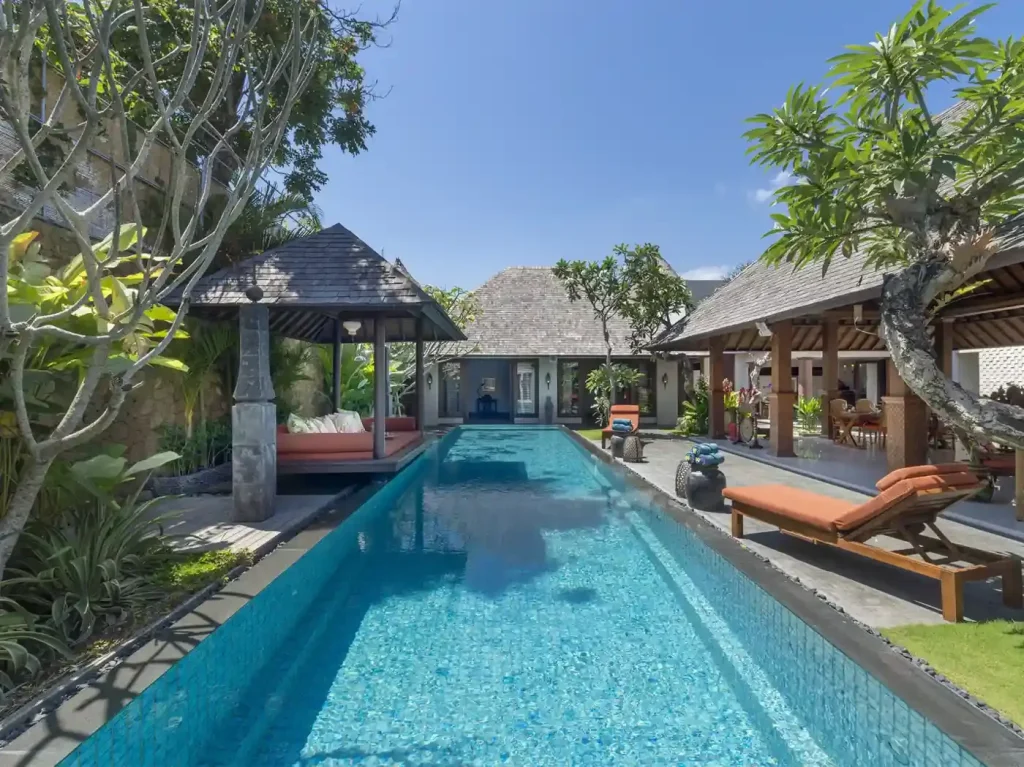
The choice of location is another critical differentiator. Many popular yoga retreats are situated in or near the vibrant, and often crowded, hubs of Ubud and Canggu. While socially stimulating, the constant external stimuli—the scooter traffic, the busy cafes, the social expectations of a group retreat—can be counterproductive for a nervous system already in overdrive. A burnout program, conversely, understands that seclusion is non-negotiable for deep healing. These programs are often hosted in private, fully-staffed estates in quieter regions like Sidemen, with its sweeping valley views, or near the tranquil highlands of Munduk. The environment itself becomes a therapeutic tool. Being insulated from decision-making (what to eat, where to go) and social obligations allows the prefrontal cortex, a region of the brain heavily taxed by executive function and chronic stress, to finally rest and repair. The island’s unique cultural landscape, particularly the UNESCO-recognized Subak irrigation system, provides a backdrop of ancient, sustainable order that is profoundly calming. This carefully controlled environment, far from the 5.2 million tourists who visited Bali in 2023, is essential for the kind of profound rest that burnout necessitates.
Measuring the ROI: Transient Calm vs. Foundational Resilience
For the results-oriented professional, the most compelling argument lies in the return on investment. The ROI of a one-week yoga retreat is primarily experiential: you return home feeling rested, more flexible, and with a collection of beautiful memories. These benefits, however, are often fleeting, evaporating within weeks of re-entry into the high-pressure environment that caused the problem. The ROI of a comprehensive burnout program is tangible, measurable, and lasting. The investment, which can range from $12,000 to over $25,000 for a 14-to-21-day program, yields concrete outcomes: a sustainably lowered resting heart rate, improved sleep architecture (quantifiable with data from a wearable device), and a toolkit of stress-management techniques grounded in neuroscience. You leave not just with memories, but with a strategic plan for re-engaging with your career without sacrificing your health. Given that the cost of replacing a senior executive can be as high as 213% of their annual salary, according to a report by the Society for Human Resource Management, investing in a program that prevents catastrophic burnout is a sound financial decision. These specialized programs for executives are designed as a form of career preservation, not just a personal indulgence.
Quick FAQ: Distinguishing Your Bali Wellness Journey
Can’t I just do yoga and see a therapist at home? You can, but a burnout program’s power lies in its immersive, synergistic model. By removing you entirely from daily triggers and stressors for a sustained period (typically 14+ days), and having a dedicated team of clinical professionals collaborate on your specific case in real-time, the healing process is exponentially accelerated. The brain can form new neural pathways more effectively without the constant interruptions of work and home life.
Are burnout programs anti-yoga? Not at all. Many high-end burnout programs incorporate gentle, restorative forms of movement, such as somatic yoga or mindful walking. However, it is viewed as one component in a much larger, clinically-directed toolkit, rather than the central pillar of the experience. The focus shifts from achieving a physical pose to cultivating interoceptive awareness and nervous system co-regulation.
What is the typical duration and cost difference? A standard luxury yoga retreat in Bali is often 5 to 7 days and costs between $3,000 and $5,500. A dedicated burnout program is a more significant undertaking, typically lasting from 10 to 28 days, with an investment reflecting the level of personalized clinical care, from $12,000 to over $25,000. It is positioned not as a vacation, but as a strategic health intervention.
Who is a burnout program specifically for? These programs are designed for C-suite executives, tech founders, surgeons, senior legal partners, and other professionals in high-stakes, high-pressure roles. The clientele are individuals for whom cognitive performance, emotional regulation, and decisive leadership are paramount, and for whom the cost of burnout is professionally and personally catastrophic. For more information on the island itself, you can consult the official Indonesia Travel portal.
Ultimately, the choice between a yoga retreat and a burnout program is a choice between a pleasant pause and a profound reset. One offers a temporary escape from the symptoms of a high-pressure life; the other offers a strategic, evidence-based roadmap to recovery from its consequences. When the cost of inaction is your career, your health, and your well-being, the need for a more sophisticated, targeted solution becomes clear. A week of sun salutations is lovely, but rebuilding your foundation requires a team of architects. Explore how the clinically-backed, bespoke programs at Bali Burnout Retreats are designed not just for escape, but for lasting, measurable recovery.